How to Choose Perfect Traditional Outfit for Festivals
Understanding the Cultural Significance of Festival Attire
The sartorial choices you make for festivals transcend mere aesthetics—they embody centuries of cultural heritage and spiritual reverence. Traditional festival attire serves as a conduit between the sacred and the personal, transforming the wearer into a living canvas of ancestral wisdom. Each festival carries its own chromatic symbolism and textile traditions that have been meticulously preserved through generations of artisanal craftsmanship.
Indian festivals celebrate the cyclical nature of life, and your clothing choices should harmonize with these temporal rhythms. The vibrant hues of Holi demand different considerations than the luminous elegance required for Diwali. Understanding these nuanced distinctions allows you to curate a wardrobe that honors both tradition and contemporary sensibilities.
Decoding Your Body Type for Optimal Silhouette Selection
The art of choosing traditional attire begins with an intimate understanding of your unique physique. Different silhouettes complement various body types, ensuring that your festive ensemble enhances your natural beauty while maintaining cultural authenticity.
Anarkali Sets for Different Body Shapes
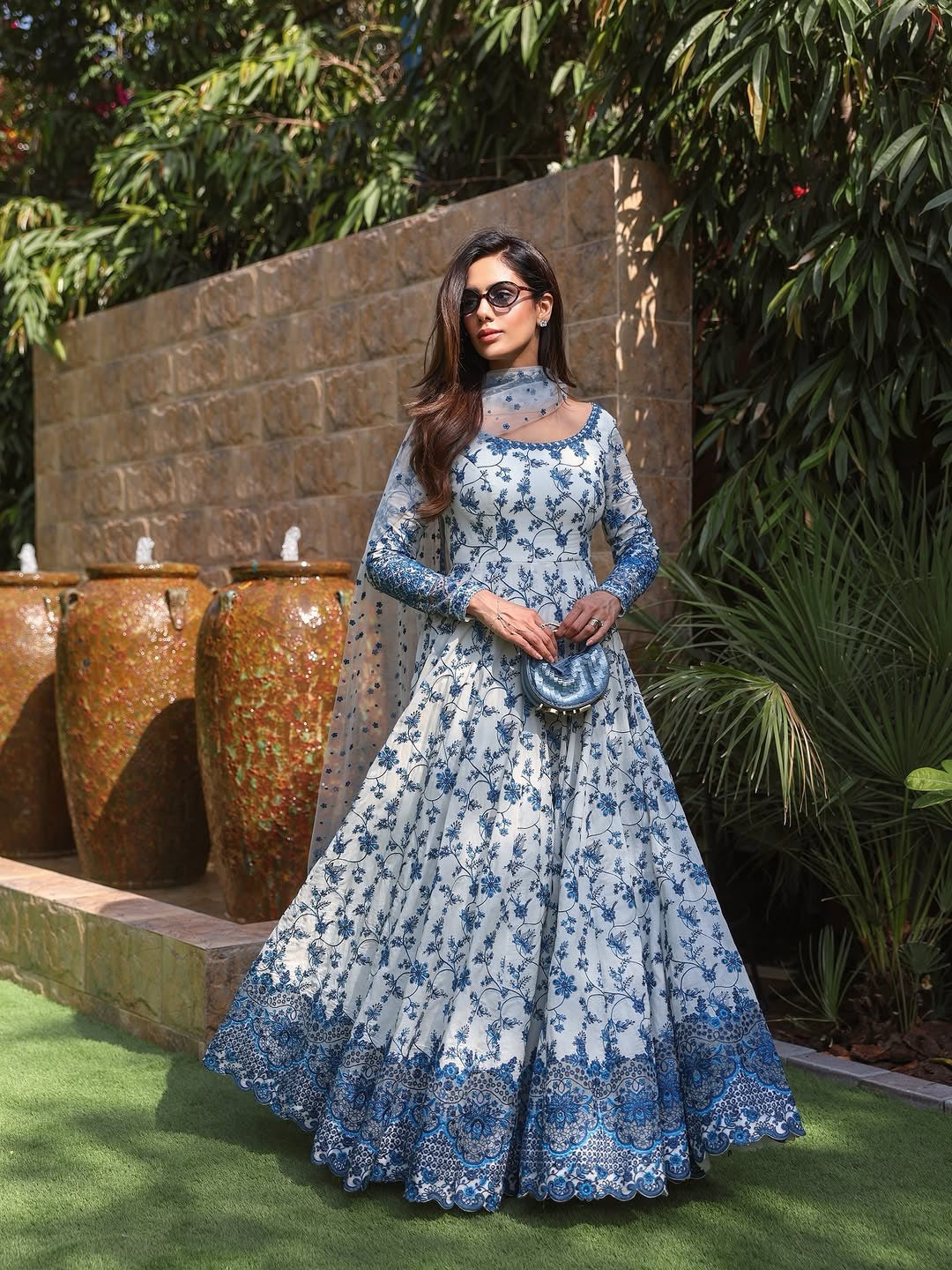
Anarkali sets offer unparalleled versatility through their flowing silhouettes and empire waistlines. For pear-shaped figures, these garments create visual balance by drawing attention upward while gracefully skimming the hips. Apple-shaped bodies benefit from the high waistline that elongates the torso and creates a flattering A-line shape.
The length variation in Anarkali sets provides additional customization options. Floor-length designs create vertical lines that elongate petite frames, while knee-length variations suit taller women who wish to showcase ornate footwear or intricate mehndi designs.
Lehenga Choli Proportioning
Lehenga cholis require careful consideration of proportions to achieve harmonious balance. The choli's neckline and sleeve length should complement your upper body, while the lehenga's flare and length should enhance your lower silhouette. High-waisted lehengas elongate shorter torsos, while mid-rise options suit longer torsos beautifully.
The dupatta's draping style can dramatically alter your overall appearance. Strategic placement can camouflage areas of concern while highlighting your best features through careful manipulation of fabric flow and visual weight distribution.
Fabric Selection for Comfort and Climate Considerations
The tactile experience of your festival attire significantly impacts your comfort and confidence throughout extended celebrations. Fabric choice determines not only aesthetic appeal but also breathability, durability, and movement ease during dancing and ritual participation.
"The right fabric becomes a second skin, allowing you to move through festivities with grace while maintaining the garment's structural integrity and visual impact."
Natural fibers like cotton and silk offer superior breathability during humid festival seasons. Cotton blends provide washability and wrinkle resistance for multi-day celebrations, while pure silk creates luxurious draping that photographs beautifully under festival lighting.
Synthetic blends offer practical advantages including stain resistance and reduced maintenance requirements. Modern textile innovations have created synthetic fabrics that mimic natural fiber characteristics while providing enhanced durability and color retention.
Color Psychology and Festival-Specific Palettes
Color selection transcends personal preference, encompassing cultural symbolism and psychological impact. Each hue carries specific connotations within Indian traditions, and understanding these associations ensures your attire resonates with the festival's spiritual essence.
Traditional Color Meanings
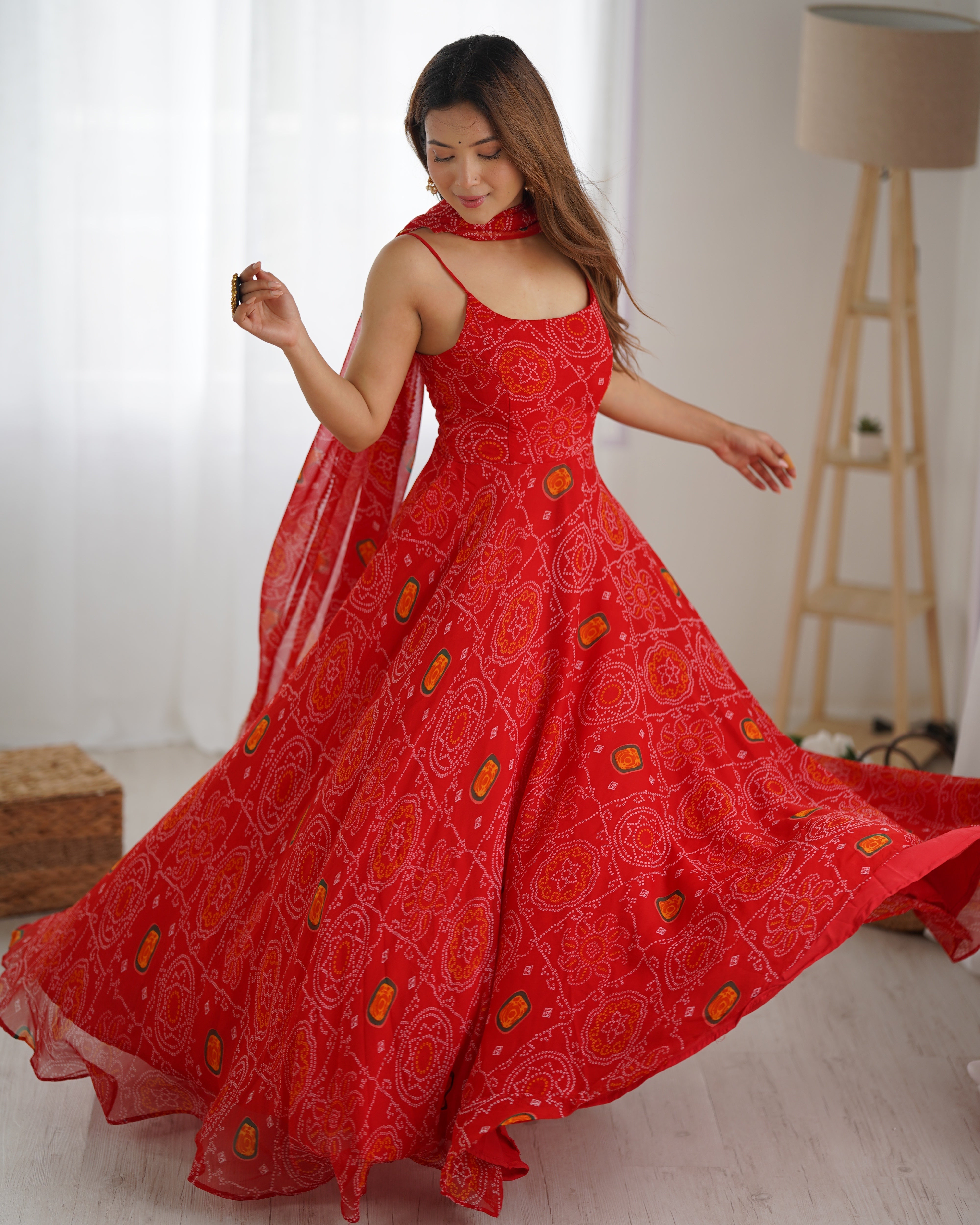
Red symbolizes prosperity, fertility, and auspiciousness, making it ideal for celebrations like Karva Chauth and weddings. Yellow represents knowledge and learning, perfect for Vasant Panchami or Gudi Padwa festivities. Green embodies new beginnings and harmony, suitable for spring celebrations and harvest festivals.
White carries dual meanings—purity and mourning—requiring careful contextual application. While appropriate for certain regional celebrations, it may be avoided during joyous occasions in some communities. Understanding these nuances prevents inadvertent cultural missteps.
Modern Color Adaptations
Contemporary festival fashion embraces gradient techniques, ombre effects, and color-blocking approaches that maintain traditional essence while incorporating modern aesthetics. Pastel interpretations of classic hues offer fresh perspectives on time-honored palettes.
Metallic accents through sequins, zari work, and thread embroidery add luminosity that captures festival lighting beautifully. These elements create depth and visual interest while honoring traditional craftsmanship techniques.
Embellishment and Ornamentation Guidelines
The level of embellishment should align with the festival's significance and your role within the celebration. Understanding the hierarchy of ornamentation ensures your attire strikes the appropriate balance between elegance and ostentation.
| Festival Type | Appropriate Embellishment Level | Recommended Details |
|---|---|---|
| Family Gatherings | Moderate | Subtle embroidery, minimal sequins |
| Community Celebrations | Medium-High | Zari work, mirror work, moderate beading |
| Grand Festivities | High | Heavy embroidery, extensive sequins, statement borders |
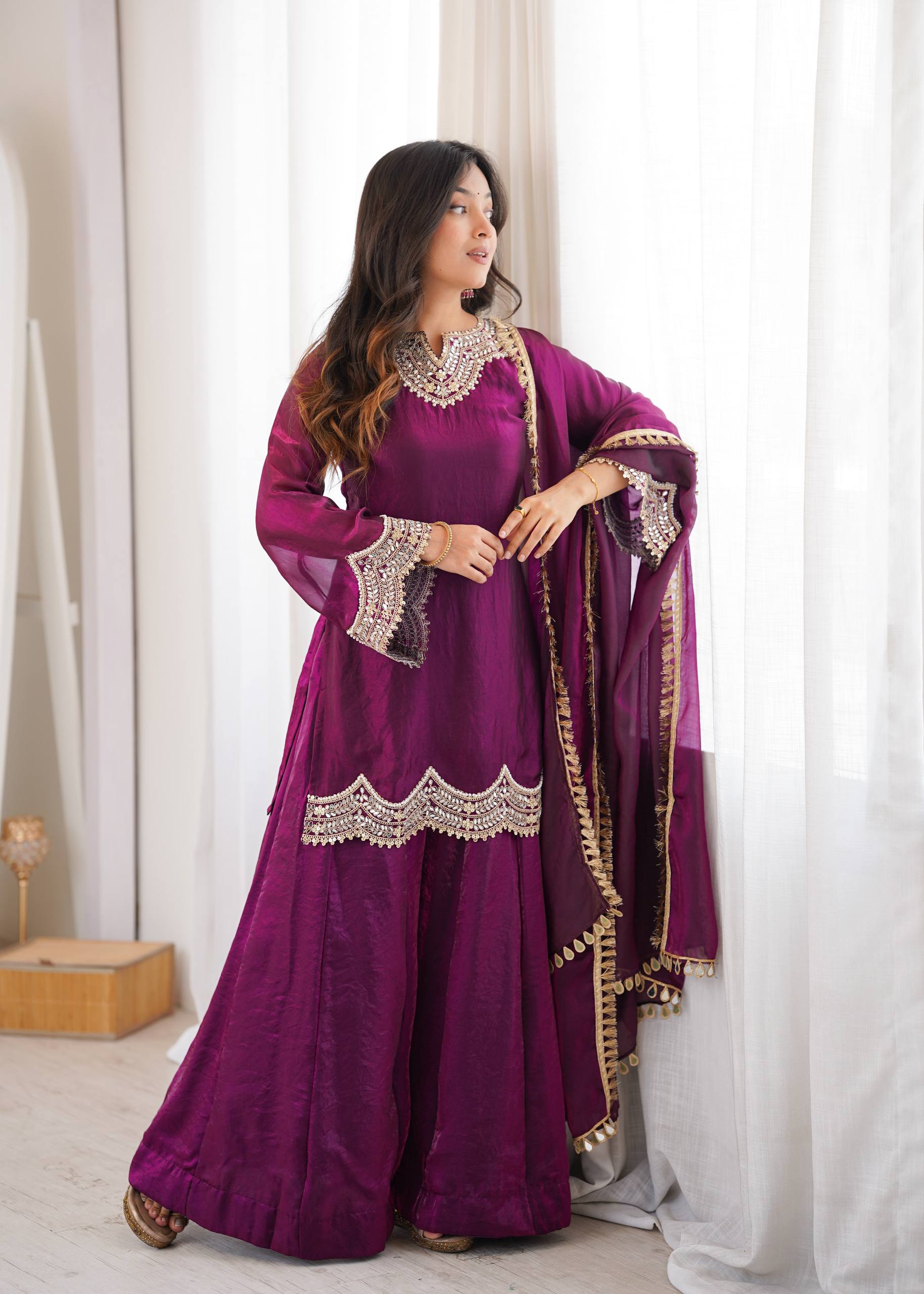
Hand-embroidered details elevate any garment's perceived value and cultural authenticity. Machine embroidery offers consistency and affordability while still providing visual richness. The key lies in selecting pieces where embellishment enhances rather than overwhelms the base design.
Budget-Conscious Shopping Strategies
Creating a stunning festival wardrobe requires strategic planning rather than unlimited spending. Smart shopping approaches maximize your investment while ensuring you have appropriate attire for various celebration types.
Investment Piece Identification
Certain garments offer superior versatility and longevity, justifying higher initial investments. Classic lehenga cholis in neutral tones can be refreshed with different dupattas and accessories for multiple occasions. Well-constructed Anarkali sets transition seamlessly from festivals to family functions with appropriate styling modifications.
Quality indicators include fabric weight, stitching precision, embellishment security, and lining adequacy. These factors determine how well your garment maintains its appearance through multiple wears and cleaning cycles.
Mix-and-Match Maximization
Building a capsule festival wardrobe involves selecting pieces that coordinate across multiple combinations. A richly embroidered choli can pair with different lehengas, while a statement dupatta can transform simple outfits into festival-appropriate ensembles.
Separates offer greater flexibility than complete sets, allowing you to create numerous looks from fewer individual pieces. This approach particularly benefits those attending multiple festivals throughout the year.
Styling and Accessorization Mastery
The transformation from beautiful garment to complete festival look occurs through thoughtful accessorization and styling choices. Each element should contribute to a cohesive aesthetic that enhances your natural beauty while respecting cultural traditions.
Jewelry selection requires balancing traditional expectations with personal comfort levels. Heavy statement pieces suit grand celebrations, while delicate designs work beautifully for intimate gatherings. Consider the garment's neckline when choosing necklaces, and ensure earring weight won't cause discomfort during extended wear.
Footwear must balance aesthetics with practicality, especially for celebrations involving standing, walking, or dancing. Traditional juttis and mojaris offer cultural authenticity, while embellished sandals provide modern comfort with ethnic appeal.
Frequently Asked Questions About Festival Outfit Selection
How far in advance should I plan my festival wardrobe?
Planning your festival attire 4-6 weeks in advance allows time for any necessary alterations and ensures availability of desired pieces. Popular designs often sell out closer to major festivals, making early selection crucial for securing your preferred choices.
Can I repeat festival outfits for different celebrations?
Absolutely! Strategic styling modifications can transform one outfit for multiple occasions. Different dupattas, accessories, and hairstyles create distinct looks from the same base garment. Focus on quality pieces that photograph differently under various lighting conditions.
What should I consider when shopping online for traditional wear?
Pay careful attention to size charts, fabric descriptions, and return policies when shopping online. Read customer reviews for insights about fit, quality, and color accuracy. Consider ordering samples or swatches when possible to assess fabric quality before purchase.
The journey of selecting perfect traditional festival attire combines cultural reverence with personal expression. By understanding the interplay between tradition and individual style preferences, you can curate a wardrobe that honors your heritage while celebrating your unique beauty. Each carefully chosen piece becomes part of your personal festival narrative, creating memories that extend far beyond the celebration itself.

Written by Nardev Fashion